What to Expect During a Roof Removal Project
People seeking roof removal typically want to safely and efficiently remove their old roof, and local contractors can handle the entire process professionally.
Understanding what to expect during a roof removal project can help property owners feel more prepared for a significant home improvement. Whether planning a roof replacement or dealing with storm damage, knowing the typical steps involved-such as preparing the property, managing debris, and ensuring proper disposal-can make the process smoother. Local contractors specializing in roof removal are experienced in handling these details efficiently, providing peace of mind that the project is managed professionally and with attention to safety and cleanliness.
For property owners in the area considering a roof removal, exploring this topic offers practical insights into how the job is carried out and what factors influence the process. Engaging with local service providers can help ensure the work aligns with local building standards and property needs. Keep reading to learn about the common stages of roof removal and how trusted local pros can assist in achieving a successful project from start to finish.
- Complete roof removal - homeowners planning a full roof replacement often require this service, where local contractors carefully strip away existing roofing materials.
- Asphalt shingle removal - when replacing asphalt shingles, local pros efficiently remove old shingles to prepare the surface for new roofing.
- Tile roof removal - for projects involving tile roofs, service providers handle the delicate process of removing tiles without damaging underlying structures.
- Flat roof removal - property owners with flat roofing systems may need this work to replace or repair damaged membrane or coating layers, with local experts managing the process.
- Roof tear-off for renovations - during extensive renovations or additions, local contractors perform roof tear-offs to ensure proper integration with new construction elements.
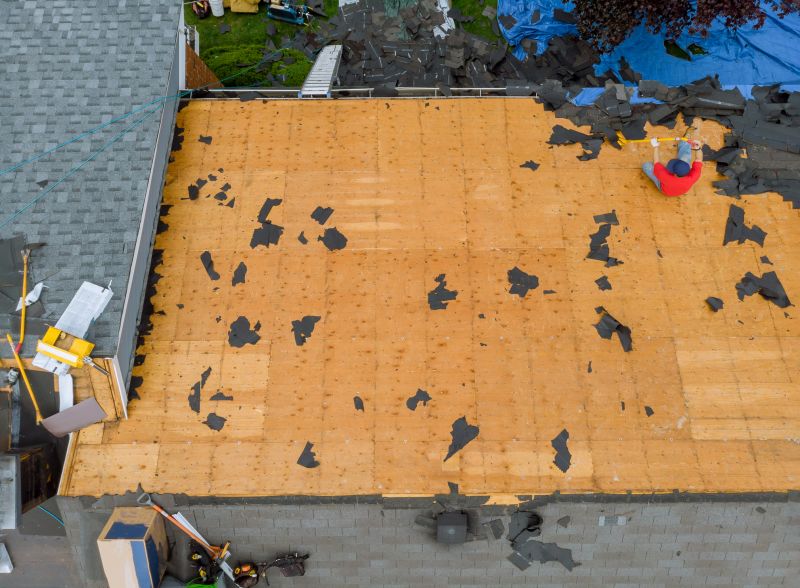
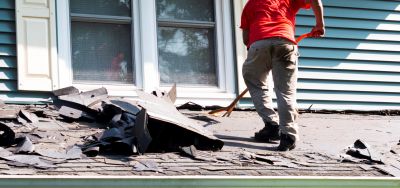
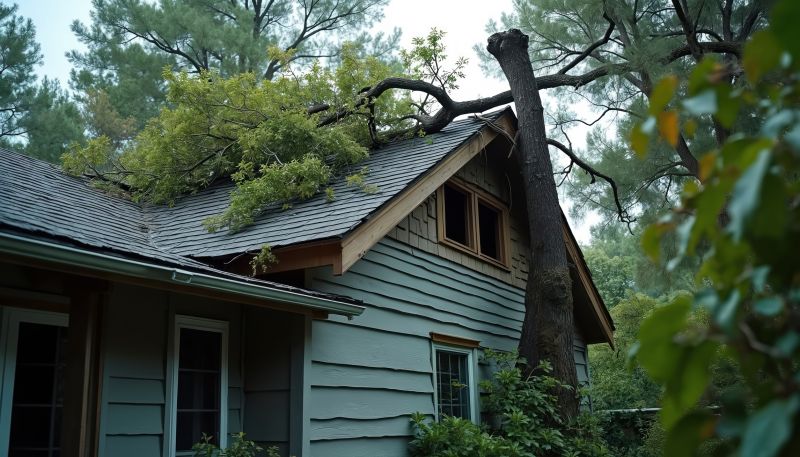
When homeowners search for information about what to expect during a roof removal project, they are often preparing for a significant renovation or repair process that involves stripping away the existing roofing materials. This step is typically part of larger plans such as roof replacement, roof repair, or even a complete overhaul of the property's exterior. People may be considering this work because of age, damage from weather, leaks, or structural concerns. Understanding what happens during roof removal helps homeowners anticipate the scope of work, potential disruptions, and how local contractors will manage the process to ensure it proceeds smoothly and safely.
Roof removal projects are commonly associated with properties that have aging or damaged roofs, including residential homes, multi-family buildings, and small commercial properties. These projects are often necessary when the existing roof has reached the end of its lifespan or has sustained significant damage, such as from storms or prolonged wear. Homeowners planning to upgrade to more durable materials or improve insulation may also undergo roof removal as part of a broader renovation. The types of properties involved can vary widely, but the common factor is the need to carefully remove and replace roofing components without causing unnecessary damage to the underlying structure.
During a typical roof removal, local service providers will first prepare the site by protecting landscaping and outdoor features. The existing roofing materials-such as shingles, tiles, or metal panels-are then carefully stripped away, revealing the underlying decking or sheathing. This process can generate a considerable amount of debris, which contractors manage through proper disposal or recycling. Homeowners should expect some level of noise, dust, and activity during this phase, as the old roof is dismantled and removed. Experienced local pros will handle these steps efficiently, ensuring that the underlying structure remains intact and ready for the new roofing installation.
Once the old roofing materials are cleared, the project moves toward installing the new roof, which may involve replacing damaged decking, adding insulation, or upgrading to different roofing products. Homeowners should be aware that the removal process is a critical part of the overall project, setting the stage for the quality and longevity of the new roof. Knowing what to expect during a roof removal project-including the potential for temporary disruptions and the importance of trusting experienced local contractors-can help ensure the process is as smooth and straightforward as possible. This preparation allows homeowners to better coordinate their plans and work with professionals who understand the nuances of the removal and replacement process.
Roof Inspection Services - Professionals experienced in roof removal often perform detailed inspections to assess the structure and plan the removal process effectively.
Asbestos and Hazardous Material Removal - Removing old roofing materials may involve handling hazardous substances, requiring specialized skills and planning similar to roof removal projects.
Deck and Roof Deck Replacement - Replacing or repairing roof decks involves similar planning and skill sets as roof removal, ensuring proper support for new roofing systems.
Gutter and Fascia Replacement - These projects require careful planning and material handling, paralleling the skills used during roof removal to ensure proper integration with the roofing system.
Attic Insulation Installation - Accessing and working within attic spaces during roof removal can facilitate insulation upgrades, involving comparable planning and safety considerations.
Siding Replacement Services - Removing exterior siding often coincides with roof removal, requiring similar techniques in material handling and project coordination by local contractors.
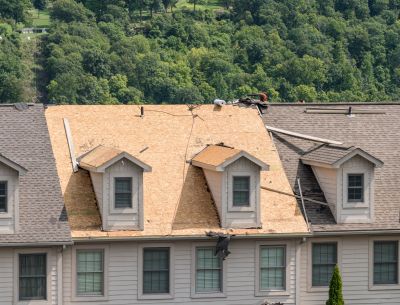
When evaluating local contractors for a roof removal project, it’s important to consider their experience with similar types of work. Homeowners should look for service providers who have a proven track record of successfully completing roof removals comparable to the scope of their project. An experienced contractor understands the typical challenges that can arise during a roof removal and can provide insight into what to expect during the process. This familiarity can help ensure the project proceeds smoothly and minimizes unexpected surprises, giving homeowners confidence in the contractor’s ability to handle the job effectively.
Clear and detailed written expectations are a key factor when comparing local pros. Reputable service providers should be able to provide a comprehensive outline of the project, including what is involved in the roof removal, the steps they will take, and any preparations or follow-up work needed. Having this information in writing helps homeowners understand what to expect during a roof removal project and ensures everyone is aligned on the scope and procedures. It also creates a basis for accountability and helps prevent misunderstandings or miscommunications throughout the process.
Good communication and reputable references are essential qualities to consider when selecting local contractors. Service providers who are transparent about their work process and willing to share references from past clients demonstrate professionalism and reliability. Speaking with previous customers can offer valuable insights into the contractor’s communication style, responsiveness, and overall quality of work. Effective communication ensures that homeowners are kept informed at each stage of the project, making the experience of a roof removal more predictable and less stressful. Prioritizing these qualities can help homeowners find a partner capable of managing the project efficiently and with clarity.
Property owners often search for what to expect during a roof removal project when they are planning practical projects around their homes and businesses. Local pros provide Roof Removal services for everyday jobs and straightforward project options.
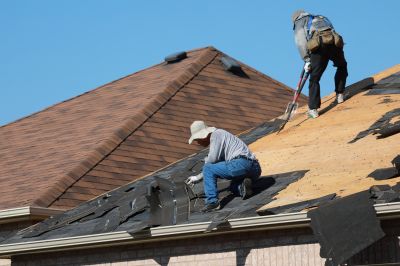
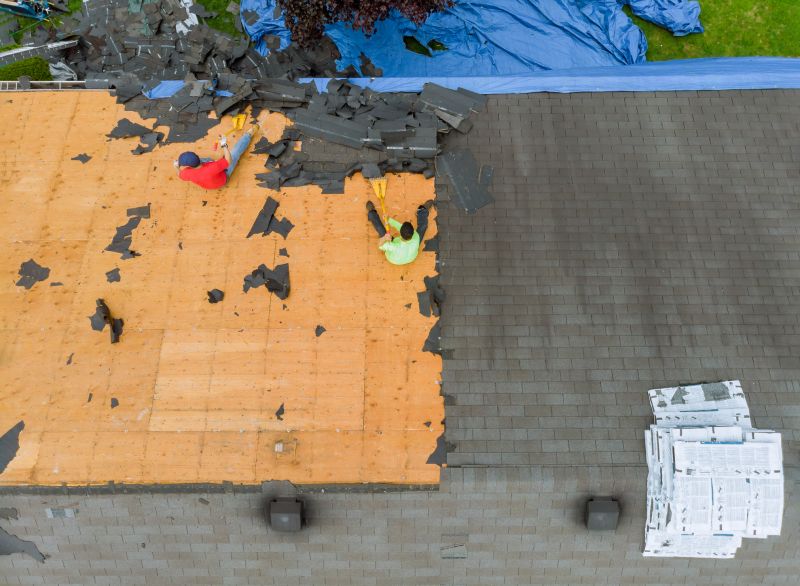
During a roof removal project, property owners can expect to see a series of typical activities as local contractors prepare to replace or upgrade their roofing system. It’s common to notice the presence of work crews on the property, with equipment and materials being brought onto the site. These professionals will often start by removing the existing roofing layers, which may involve careful tearing away of shingles, tiles, or other roofing materials. This process can generate debris and noise, which are normal parts of the job. Property owners might also observe protective measures being put in place, such as tarps or barriers, to contain dust and debris and ensure safety during the removal process.
Understanding what to expect during a roof removal project can help property owners plan accordingly. It’s typical for local service providers to work methodically, ensuring that the old roof is completely removed before new materials are installed. The project may involve some temporary disruptions, like limited access to certain parts of the property or the presence of scaffolding and ladders. These steps are part of the standard process to facilitate a safe and efficient roof replacement. Property owners in the area often look into roof removal services to ensure the job is handled professionally, minimizing inconvenience while preparing their homes for a durable new roof.
What is the typical process during a roof removal project? During a roof removal, local contractors will first prepare the site, then carefully strip away the existing roofing materials, and finally prepare the surface for the new roofing installation. This process ensures a clean and safe removal before new materials are installed.
How do local service providers handle debris during roof removal? Local pros usually implement debris containment measures, such as tarps and dumpsters, to manage roofing waste effectively and keep the work area clean throughout the project.
Will there be noise and disruption during a roof removal? Yes, roof removal involves the use of heavy equipment and tools, which can generate noise and vibrations. Local contractors typically schedule work to minimize disruption to the property and surrounding area.
What safety precautions do local pros take during roof removal? Contractors follow standard safety practices, including securing the work area, using safety equipment, and following proper procedures to protect workers and property during the removal process.
What should homeowners expect once the old roof is removed? After removal, the surface will be inspected and prepared for the new roofing materials, which may involve repairs or reinforcement to ensure a solid foundation for the new roof.
Preparing the property - property owners should clear the area around the home to ensure safe and efficient access for local contractors during roof removal.
Understanding the process - knowing what steps are involved helps property owners anticipate noise, debris, and temporary disruptions during the project.
Planning for debris removal - arranging for proper disposal or recycling of old roofing materials can streamline the cleanup process with local service providers.
Coordinating access and timing - property owners can coordinate with local pros to schedule work around their daily routines, minimizing inconvenience.
If you are thinking about what to expect during a roof removal project for a property, this guide is meant to help you understand this topic, the typical project types, and how different options might fit your plans.
When you are ready, you can use the quote form on this page to share a few details about your project. From there, local pros can review the basics and follow up with options that match what you have in mind.