Optimal Timing for Roof Tarp Installations
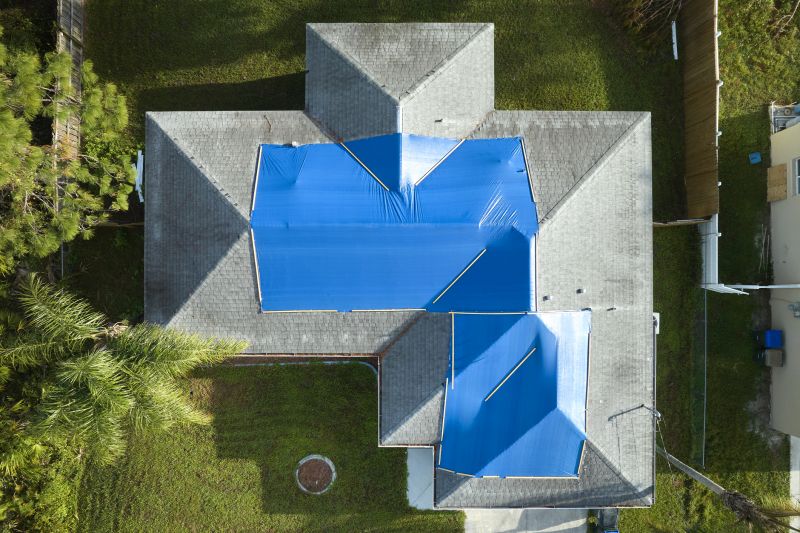
Spring offers moderate temperatures and less precipitation, making it suitable for tarp installations.
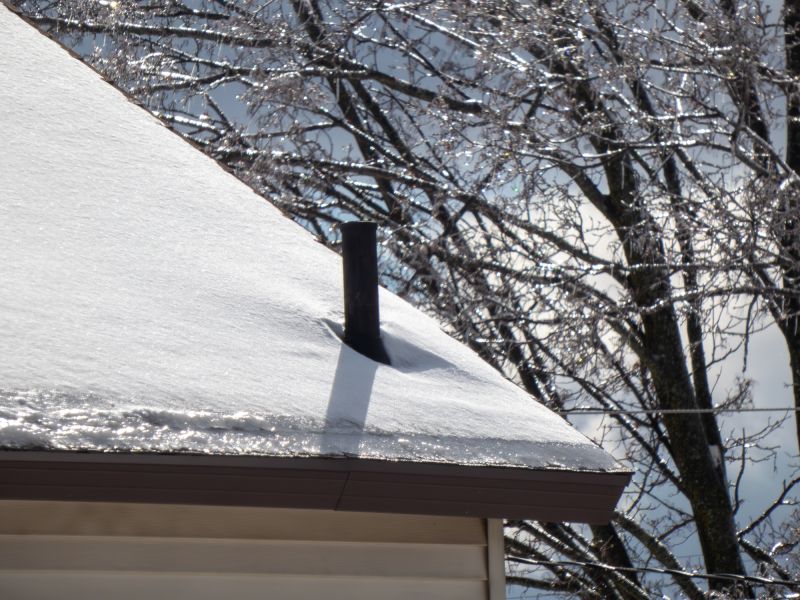
Warm and dry summer months facilitate efficient installation, but high temperatures may require precautions.
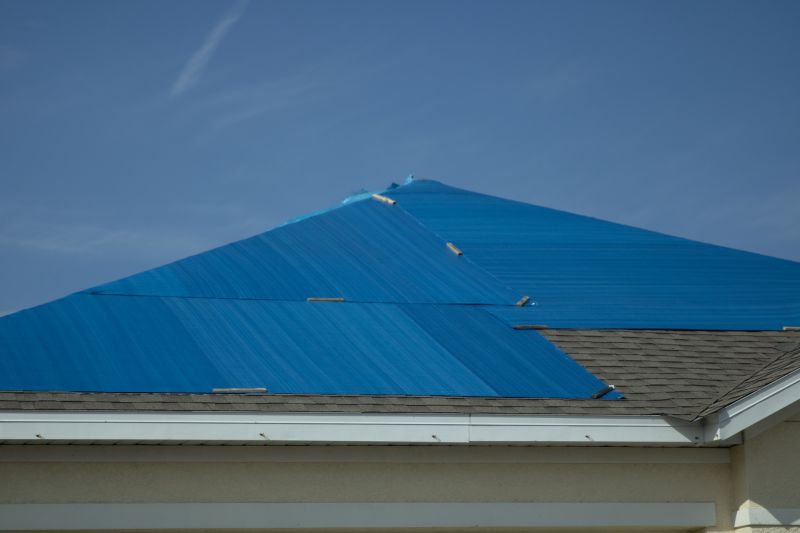
Autumn can be ideal due to cooler temperatures and lower humidity, aiding in proper tarp adhesion.
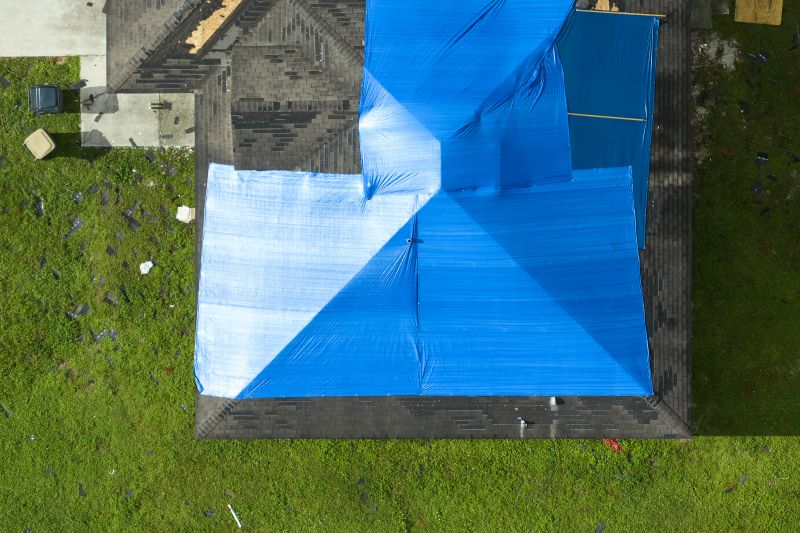
Winter's cold and snow can hinder installation and compromise tarp effectiveness; caution is advised.
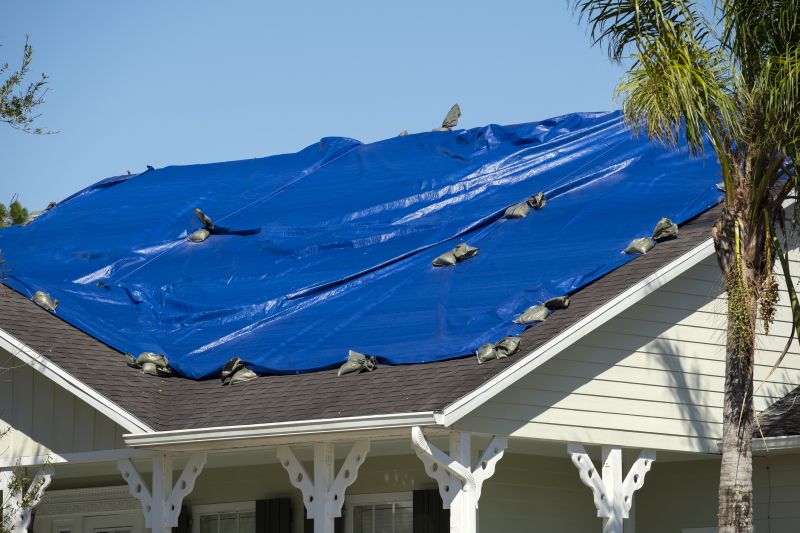
Avoid installation during heavy rain or storm seasons to ensure safety and tarp durability.
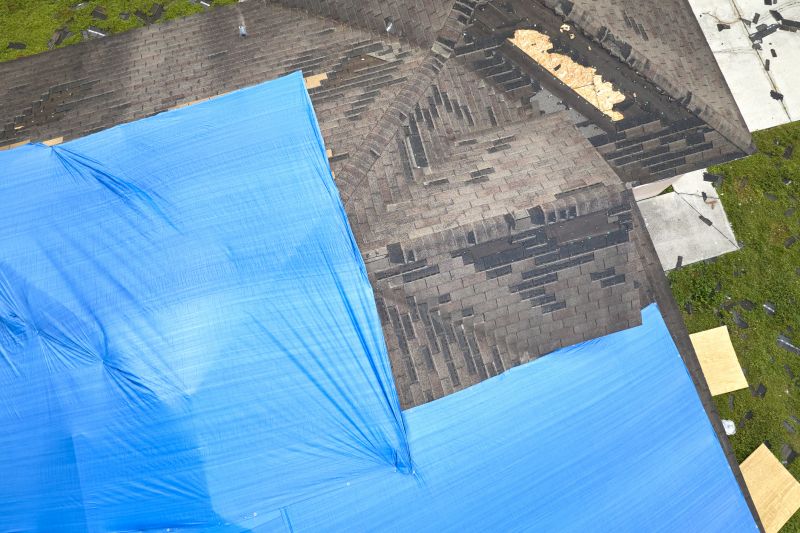
Immediately after storms, tarp installation can prevent further damage to the roof structure.
Roof tarp installations are a critical temporary solution to protect structures from water intrusion, wind damage, and other weather-related issues. Proper timing ensures maximum effectiveness and safety. The selection of the best time depends on local climate patterns, immediate needs, and weather forecasts. Typically, dry and moderate weather conditions are preferred for installation, reducing risks and improving adhesion.
Statistics indicate that over 60% of roof damage occurs during storm seasons, emphasizing the importance of timely tarp deployment. Properly installed tarps can extend the roof's lifespan and prevent costly repairs. Weather conditions such as high winds, heavy rain, or snow can compromise tarp integrity, making careful timing essential for successful installation and long-term protection.
Clear, dry days with low wind speeds are ideal for roof tarp installation to ensure safety and effectiveness.
Installing tarps during rain, snow, or high winds can lead to poor adhesion and increased safety hazards.
Spring and autumn generally provide the best conditions, while winter and summer require additional precautions.
In urgent situations, tarps can be installed regardless of weather, but extra care is necessary.
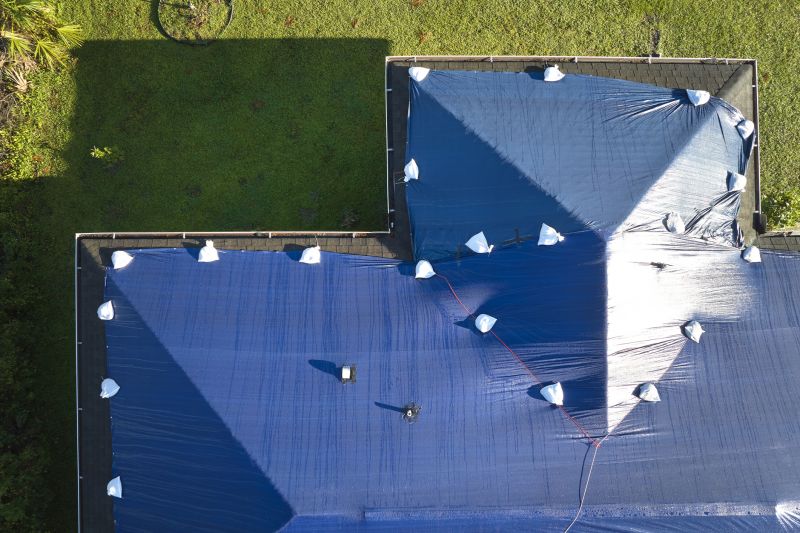
Clear skies and calm winds facilitate safe and effective tarp setup.
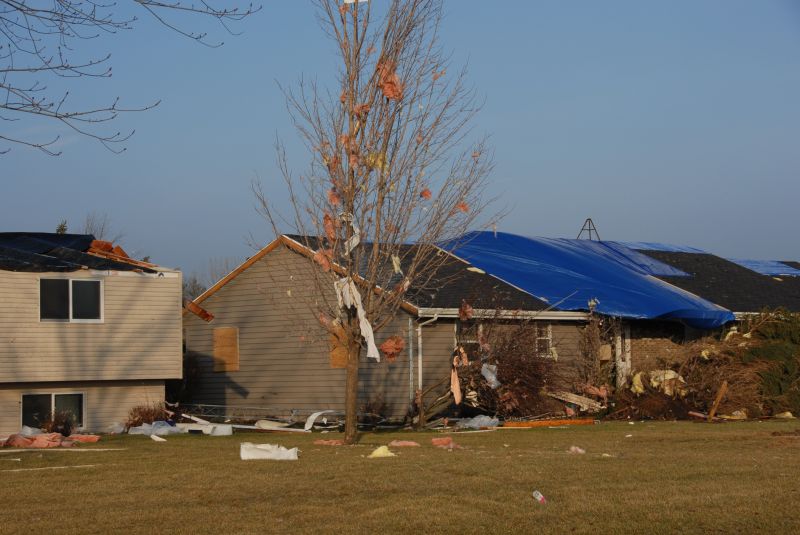
Light rain may be manageable but can affect tarp adhesion if not properly prepared.
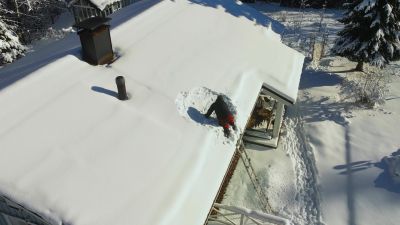
Cold temperatures and snow require specialized equipment and precautions.
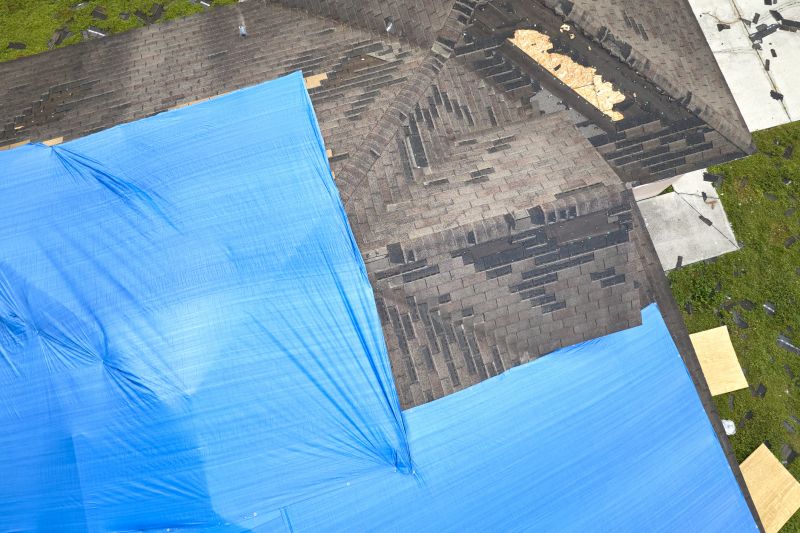
Rapid deployment after storms can prevent further damage and water intrusion.
| Season/Condition | Recommended Action |
|---|---|
| Spring | Optimal for installation due to moderate temperatures. |
| Summer | Suitable in early summer; avoid peak heat hours. |
| Autumn | Ideal for installation with cooler weather. |
| Winter | Use with caution; cold weather and snow pose challenges. |
| Rainy Seasons | Avoid during heavy rain or storms. |
| Post-Storm | Ideal for emergency protection. |
| Off-Peak Seasons | Good for scheduling flexibility. |
| Extreme Weather | Postpone until conditions improve. |
Choosing the right time for roof tarp installation enhances protection and safety. Monitoring weather conditions and understanding local climate patterns are essential components of planning. Proper timing ensures tarps remain secure, effective, and durable, providing vital coverage during periods of increased weather activity.
Interested parties are encouraged to contact for further information or to schedule an installation. Proper timing and expert application are key to maximizing the benefits of roof tarps and minimizing potential damage.